Best Practices for Topping Trees to Minimise Damage
Table Of Contents
Safety Precautions When Topping Trees
Before engaging in any tree topping activity, it is essential to assess the environment and establish a safe work area. Ensure that the ground beneath the tree is clear of debris and obstacles. If other people are present, assign a lookout to keep track of the surroundings. Using ropes and flags to cordon off the area can help prevent accidents. Always be mindful of electrical wires that may be overhead and avoid working near them without proper guidance.
Wearing appropriate personal protective equipment (PPE) is critical while topping trees. Hard hats, safety goggles, and gloves should be worn to safeguard against falling debris and sharp tools. Hearing protection can also be beneficial, especially when using power tools. Sturdy footwear with slip-resistant soles is important for maintaining stability on uneven ground. By adhering to these safety measures, the risks associated with tree topping can be significantly reduced.
Personal Protective Equipment for Tree Care
When engaging in tree care activities, the right personal protective equipment (PPE) is crucial for ensuring safety. Hard hats are essential to shield against falling branches. Eye protection, such as safety goggles or face shields, prevents debris from causing injuries. Hearing protection is important when using noisy tools, while gloves provide grip and guard against cuts or abrasions. Sturdy footwear is also recommended to protect feet from heavy objects and provide stability on uneven ground.
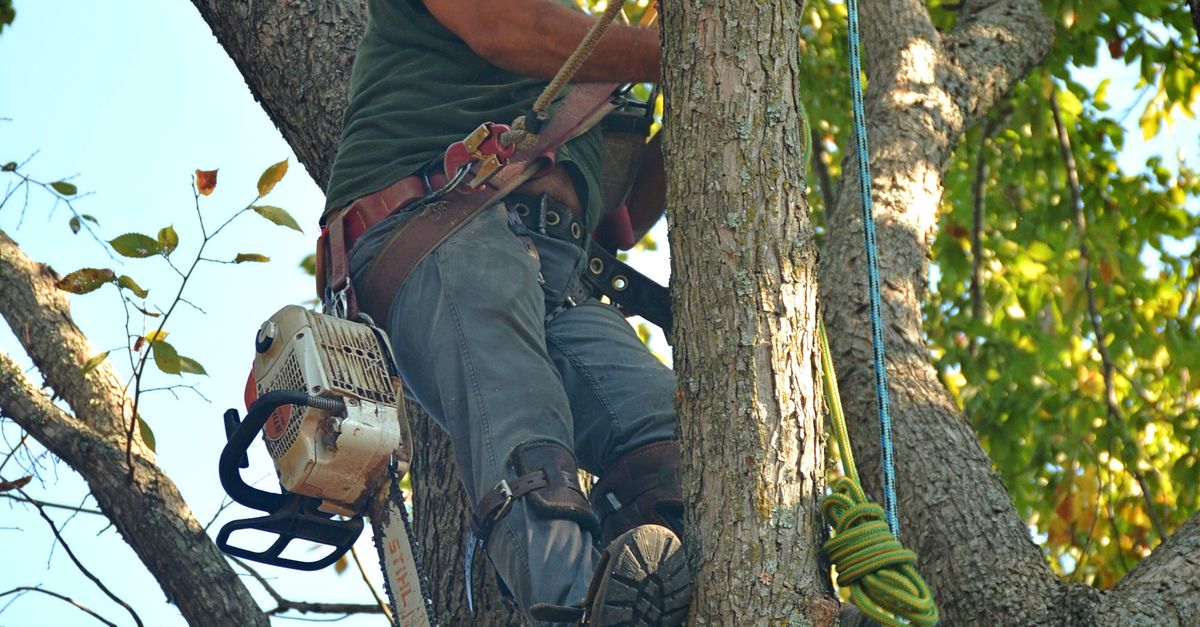
In addition to basic PPE, additional gear can enhance safety during tree topping. Chainsaw chaps are designed to protect the legs from accidental cuts while operating heavy machinery. Harnesses and lanyards are vital for those working at great heights, offering security and helping prevent falls. High-visibility clothing can increase awareness in busy areas, ensuring that others can see the worker clearly. All aspects of personal protective equipment contribute to a safer working environment when caring for trees.
Alternative Approaches to Tree Management
Considering the ecological impact and health of trees, alternative management techniques offer more sustainable solutions. Pruning is a well-regarded method that involves the selective removal of branches to improve a tree's structure, health, and aesthetic appeal. This technique allows trees to maintain their natural shape, leading to better resilience against pests and diseases while fostering growth.
Another approach includes the practice of thinning. This technique focuses on reducing the density of branches to enhance sunlight penetration and air circulation within the canopy. Thinning promotes healthier growth patterns and helps mitigate the risk of limb failure due to wind stress. Both methods prioritise the long-term wellbeing of trees and the surrounding environment, providing options that respect natural growth processes.
Exploring Pruning Versus Topping
Topping a tree generally refers to the indiscriminate removal of the upper portion of a tree, leading to a wide range of potential issues, including increased vulnerability to disease and pests. In comparison, pruning involves the selective removal of branches to enhance the tree's health and aesthetics. Proper pruning encourages strong growth patterns without compromising the tree's overall structure. Techniques such as thinning, crown raising, or reducing can effectively maintain the desired height and shape while promoting vitality.
Pruning, when performed correctly, fosters air circulation and sunlight penetration, benefiting the entire tree ecosystem. This method can contribute to improved flowering, fruiting, and overall structural integrity. By focusing on strategic cuts instead of drastic reductions, tree care professionals can ensure that trees remain healthy, attractive, and less susceptible to environmental stressors. Understanding the benefits and methodologies involved in pruning versus topping is essential for anyone looking to maintain their trees responsibly.
Legal Regulations Surrounding Tree Topping
Tree topping often falls under strict legal regulations due to the potential harm it can cause to tree health and local ecosystems. Councils and governing bodies in various states may have specific legislation that dictates which species can be topped, the methods used, and the conditions under which topping is permissible. A homeowner considering topping their trees should first consult local regulations to ensure compliance and avoid fines.
Certain areas may also have tree preservation orders in place, protecting mature trees or specific species from being topped or removed. It's crucial to understand these laws before commencing any tree care activities. Engaging with qualified arborists who are familiar with local regulations can help ensure that tree care practices adhere to legal guidelines while promoting the overall health of the trees and surrounding environment.
Understanding Local Tree Preservation Laws
Local tree preservation laws play a crucial role in maintaining the ecological balance and protecting mature trees within communities. Many local councils have regulations that restrict or regulate tree topping and removal, aiming to safeguard the environment. Landowners must be aware of these regulations to avoid potential fines and penalties. Seeking permission before making any significant alterations to trees is often a necessary step in compliance with these laws.
Engaging with local authorities can provide valuable insights into what's permissible under tree preservation orders. It is essential to verify if specific trees are listed as protected species, as this may influence management decisions. Understanding these laws ensures not only legal compliance but also contributes to the broader effort of conserving the local ecosystem. Familiarity with the regulations can lead to responsible decision-making regarding tree care and maintenance.
FAQS
What is tree topping and why is it considered harmful?
Tree topping is the practice of cutting back the upper branches of a tree, which can lead to stress, weak growth, and increased susceptibility to diseases and pests. This method often results in unsightly stubs and can ultimately shorten the tree's lifespan.
What safety precautions should I take when topping trees?
When topping trees, always wear appropriate personal protective equipment (PPE) such as helmets, goggles, gloves, and sturdy footwear. Ensure you have a stable platform or ladder, and be mindful of your surroundings to avoid electrical lines and other hazards.
What are the alternatives to topping trees?
Instead of topping, consider proper pruning techniques that encourage healthy growth and maintain the tree's natural shape. Thinning and crown reduction can effectively manage tree height without causing significant damage.
Are there legal regulations I need to be aware of before topping a tree?
Yes, many local councils have tree preservation laws that may restrict topping or require permits for tree work. It's important to check your local regulations before proceeding to avoid potential fines or legal issues.
How can I ensure the health of my trees while managing their height?
To maintain tree health, focus on regular maintenance through pruning, which should be done at the right time of year and with proper techniques. Consulting an arborist can provide tailored strategies for your specific tree species and situation.
Related Links
Common Mistakes to Avoid When Topping Trees in MelbourneWhen to Consider Topping Your Trees for Optimal Growth
Topping vs Other Pruning Methods: What You Need to Know
Regulations and Guidelines for Topping Trees in Victoria
The Environmental Impact of Topping Trees in Urban Areas