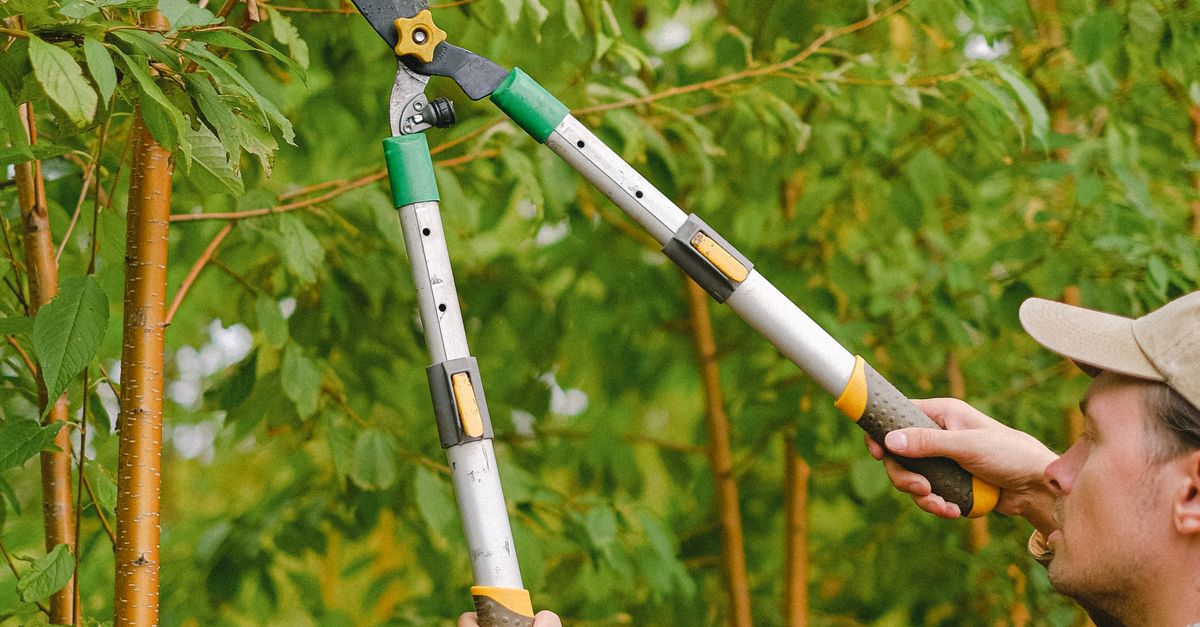
Choosing the Right Size of Pruning Shears for Your Hands
Table Of Contents
Weight and Balance Considerations
When selecting pruning shears, weight and balance are crucial elements that significantly impact performance. Heavier tools may provide more cutting power but can also lead to fatigue during prolonged use. In contrast, lighter shears offer agility but may lack the strength required for tougher jobs. It's essential to think about the tasks at hand and how the weight of the shears may influence your ability to manoeuvre and control them effectively.
The distribution of weight affects the overall balance of the shears. A well-balanced pair allows for smoother cutting motions, reducing strain on the wrist and hand. Users should assess how the tool feels in their grip, ensuring that the centre of gravity aligns comfortably with their hands. Trying different models can reveal which balance feels most natural and enhances overall efficiency in pruning tasks.
Finding the Ideal Shear for Your Strength
When selecting pruning shears, it's essential to consider your personal strength and hand size. Lighter models can facilitate manoeuvrability, making them ideal for extended periods of use or for those who may struggle with heavier tools. Conversely, if your hands are strong and accustomed to heavy-duty tasks, a more robust shear could provide better cutting power and efficiency.
Additionally, the mechanism of the shears plays a significant role in performance. Bypass shears, for example, require a different level of grip strength compared to anvil-type shears. Experimenting with various styles allows you to identify which ones feel more natural and require less effort during operation. Ultimately, the right shear will enable you to prune effectively without causing undue strain on your hands or wrists.
The Role of Grip Size
Grip size plays a crucial role in how effectively you can wield pruning shears. A proper grip allows for better control and reduces fatigue during use. If the handles are too thick, smaller hands may struggle to maintain a secure hold, leading to discomfort and decreased efficiency. Conversely, if the handles are too thin, individuals with larger hands might not achieve the necessary leverage, which can compromise the cutting power and overall effectiveness of the tool.
When selecting pruning shears, it is essential to consider not only the diameter of the grips but also the overall shape and contour. Ergonomically designed handles can provide better support and alignment with the natural grip of your hand, enhancing comfort during extended periods of pruning. Trying different options can help identify which grip best suits your hand size and shape, contributing to a more enjoyable and productive gardening experience.
Evaluating Handle Thickness and Material
When selecting pruning shears, the thickness of the handles plays a significant role in comfort and control. Handles that are too thin can strain the fingers during prolonged use, while overly thick handles may hinder grip strength. A comfortable fit allows for extended use without discomfort. It's advisable to try out different models to find a handle thickness that feels just right.
In addition to thickness, the material of the handles also affects durability and grip. Common materials include plastic, rubber, and wood, each offering distinct textures and benefits. Rubberized handles often provide a better grip, especially in moist conditions, while wooden handles may appeal to those who prefer a classic feel. Consider your gardening conditions and choose a material that corresponds to your preferences and the tasks at hand.
Testing Before You Buy
Before making a purchase, it’s essential to try out different pruning shears in person. This hands-on approach allows you to assess how the tools feel in your grip. Pay attention to the weight distribution and how comfortable the shears are during use. Performing a few test cuts on a plant or piece of wood can help you gauge the tool's effectiveness and your overall comfort level while using it.
Another important factor to consider is how the shears fit in your hand. While testing, ensure that your fingers can easily wrap around the handle without feeling overextended or cramped. Some retailers may have display models available for you to experiment with, allowing for a more informed decision. Take your time to find a pair that feels natural when making different movements, as your comfort will significantly enhance your pruning experience.
Ways to Evaluate Fit and Comfort
When selecting pruning shears, physical testing can provide valuable insights into their comfort and fit. A good approach is to hold the shears in one hand and perform several simulated cutting motions. This exercise helps you assess the ease of operation and whether the handles allow your fingers to comfortably wrap around them. Pay attention to any areas of strain or discomfort while mimicking real activities, as this can indicate a mismatch between your hand shape and the tool's design.
Considering the weight distribution is also crucial. A well-balanced pair of shears will feel lighter during use, reducing fatigue over extended periods. It’s important to compare different models to see how they feel in terms of balance as you manoeuvre them in various positions. This can help ensure that your chosen shears not only fit well in your hand but also allow for efficient, comfortable cutting, making your gardening experience more enjoyable.
FAQS
Why is it important to choose the right size of pruning shears?
Choosing the right size of pruning shears is essential for comfort and efficiency. The correct size helps reduce fatigue, enhances control, and minimizes the risk of injury while pruning.
How do I determine the right weight and balance for my pruning shears?
To find the right weight and balance, consider your own strength and endurance. A lighter shear may be preferable for extended use, while a well-balanced tool helps with precision and reduces strain on your hands.
What should I look for in the grip size of pruning shears?
Look for a grip that feels comfortable in your hand without being too tight or loose. A proper grip size ensures better control and less fatigue during use.
How do I evaluate the handle thickness and material of pruning shears?
Test different handle thicknesses to see which feels most comfortable. Materials like rubber or foam can provide a better grip and cushioning, while metal handles tend to be sturdier but may cause discomfort over long periods.
What are some effective ways to test pruning shears before purchasing?
Before buying, hold the shears to assess their grip and balance. Make a few test cuts on branches or other materials to evaluate comfort and ease of use. It’s also beneficial to check for any adjustable features that might enhance fit.
Related Links
Tips for Selecting Pruning Shears for Urban Tree TrimmingUnderstanding the Different Materials Used in Pruning Shears
When to Replace Your Pruning Shears: Signs to Watch For
Essential Techniques for Using Pruning Shears Safely
Comparing Bypass vs Anvil Pruning Shears
A Beginner's Guide to Using Pruning Shears Effectively
How to Maintain Your Pruning Shears for Longevity