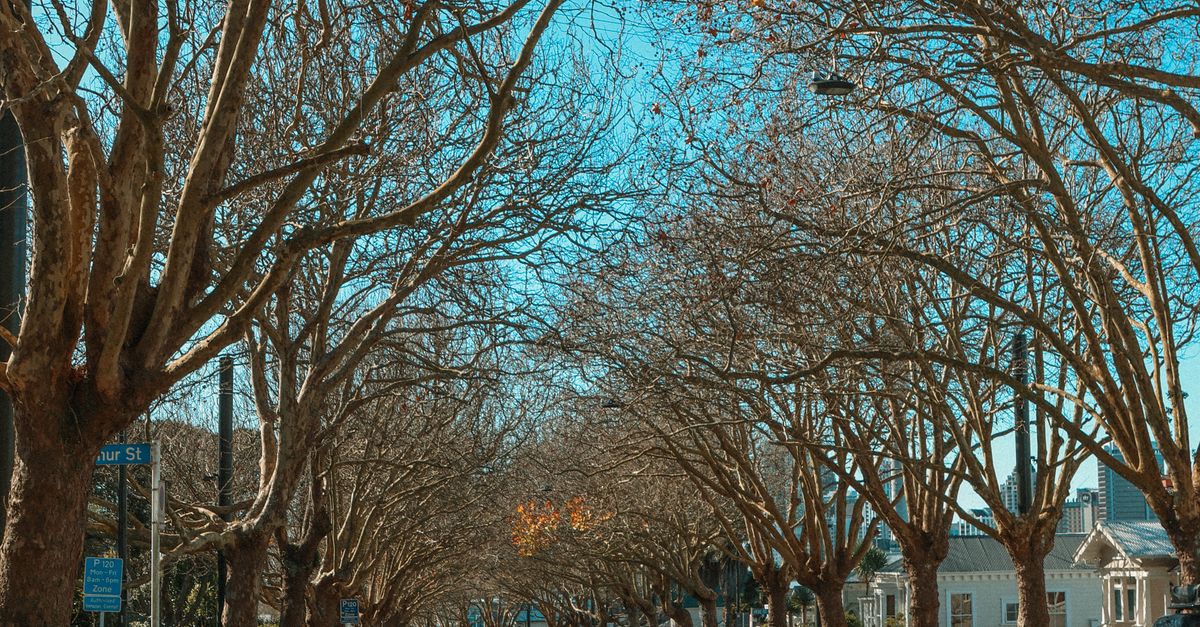
Diagnosing When Crown Reduction is Necessary for Tree Health
Table Of Contents
Timing Considerations for Crown Reduction
Crown reduction is often most effective when performed during specific periods of the year. Many experts recommend scheduling this type of pruning during late winter or early spring before new growth begins. This timing allows for maximum recovery as trees begin their active growth phase. Pruning during dormancy reduces stress and promotes quicker healing, which is vital for maintaining overall tree health.
The timing also depends on the species of the tree and its specific growth patterns. Some varieties may respond better to crown reduction in early summer after flowering. Understanding the unique needs of each tree species can guide the timing of crown reduction to ensure optimal health. Engaging with local environmental conditions is crucial; factors such as weather patterns and soil quality can further influence the best timing for this maintenance practice.
Seasonal Effects on Tree Health
Changes in seasons significantly impact tree health and growth patterns. During spring, trees enter a phase of active growth, producing new leaves and branches. Interventions like crown reduction during this time can suppress their natural growth cycle, potentially leading to stress. Conversely, approaching crown reduction in late summer or autumn might coincide with the trees transitioning into dormancy, allowing them to recover and heal effectively without the added burden of excessive growth.
Winter presents its own challenges, as trees may be more vulnerable to damage due to their dormant state. It is crucial to assess potential hazards such as snow or ice weight on branches before undertaking any crown reduction procedures. Effective timing is essential for ensuring that the tree can tolerate the stress of pruning while maintaining overall health and vitality. Adjusting the timing of crown reductions based on seasonal conditions can lead to optimal recovery and long-term sustainability.
Professional Assessment for Crown Reduction
When considering crown reduction for trees, seeking the expertise of a qualified arborist is essential. These professionals possess the knowledge to assess the tree's overall health, structural integrity, and environmental factors influencing its condition. An arborist can provide insights into the specific needs of the tree, ensuring that any reduction aligns with best practices and promotes the long-term vitality of the plant. Their assessment often includes examining the tree’s size, species, and surrounding landscape, allowing for tailored recommendations that take into account individual circumstances.
Consultation with an arborist can also identify any underlying issues that might necessitate crown reduction beyond aesthetic concerns. For example, trees that are overcrowded may need pruning to improve airflow and sunlight penetration, which contribute to better health. If a tree shows signs of disease or pest infestation, an expert can determine whether crown reduction is a viable solution or if other interventions are required. Engaging with a professional not only enhances the safety and efficiency of the procedure but also fosters responsible stewardship of the local environment.
When to Consult an Arborist
Recognising the right moment to seek professional advice is crucial for maintaining tree health. If a tree displays signs of disease, unusual growth patterns, or begins to obstruct structures, consulting an arborist can provide valuable insights. These experts possess the knowledge to evaluate the overall health of the tree, assess its structural integrity, and determine whether crown reduction is a suitable option. Early intervention can help prevent more significant issues down the line.
Even without evident symptoms, an annual assessment by an arborist can be beneficial, especially for older trees or those located in urban settings. Their expertise allows for monitoring of growth rates and tree vitality over time. This proactive approach ensures that any necessary crown reduction is conducted under optimal conditions, ultimately protecting both the tree’s health and the safety of the surrounding environment.
Risks Associated with Improper Crown Reduction
Incorrectly performed crown reduction can lead to a variety of complications for a tree's health. Over-pruning may result in the removal of too much foliage, which is essential for photosynthesis. This excessive loss can weaken the tree, making it susceptible to diseases and pests. Additionally, improper cuts can cause stress to the tree structure, leading to the potential for decay and structural failure in the long term.
The impact on the tree's growth patterns can be significant. Trees may respond to aggressive crown reduction by producing dense, unhealthy regrowth, often known as "water shoots." These shoots can create an imbalanced crown and increase wind resistance, posing a risk during severe weather. Repeated improper pruning practices may ultimately shorten the tree's lifespan and compromise its overall vitality.
Long-term Effects on Tree Vitality
Crown reduction can significantly alter a tree's overall health and structural integrity. If performed incorrectly or at the wrong time, this practice may lead to reduced leaf area, hindering photosynthesis. This loss can weaken the tree over time, making it more susceptible to pests and diseases. The balance between leaf canopy and root system can become disrupted, resulting in stunted growth and potential decline in vigour.
Moreover, the aesthetic and ecological value of a tree can diminish following improper crown reduction. An unsightly appearance can affect property values and neighbourhood appeal. The tree may fail to provide adequate shade or habitat for local wildlife, further impacting the surrounding ecosystem. Long-term vitality relies on maintaining the tree's natural shape and health, ensuring it continues to play its vital role in the environment.
FAQS
What is crown reduction, and why is it important for tree health?
Crown reduction is a tree management technique that involves selectively reducing the size of a tree's canopy. It is important for tree health as it helps maintain the tree's structure, improves light penetration, and reduces the risk of branch failure, ultimately promoting healthier growth.
When is the best time to perform crown reduction on trees?
The best time for crown reduction is typically during the tree's dormant season, which is late autumn to early spring. This timing helps minimise stress on the tree and reduces the risk of disease.
How can I tell if my tree needs crown reduction?
Signs that your tree may need crown reduction include excessive canopy density, overhanging branches that pose a risk to structures or power lines, and visible signs of damage or disease within the canopy.
Why should I consult a professional arborist for crown reduction?
Consulting a professional arborist is essential because they have the expertise to assess the tree's health, determine the need for crown reduction, and carry out the procedure safely and effectively, minimising risks associated with improper cutting.
What are the potential risks of improper crown reduction?
Improper crown reduction can lead to a range of issues, including increased vulnerability to pests and diseases, structural instability, and long-term decline in tree vitality, which may ultimately result in the tree's death.
Related Links
Risks and Rewards of Crown Reduction in Urban LandscapesTools of the Trade for Successful Crown Reduction in Melbourne
The Role of Crown Reduction in Tree Aesthetics and Functionality
Common Mistakes to Avoid During Crown Reduction
Environmental Considerations in Crown Reduction for Melbourne Trees