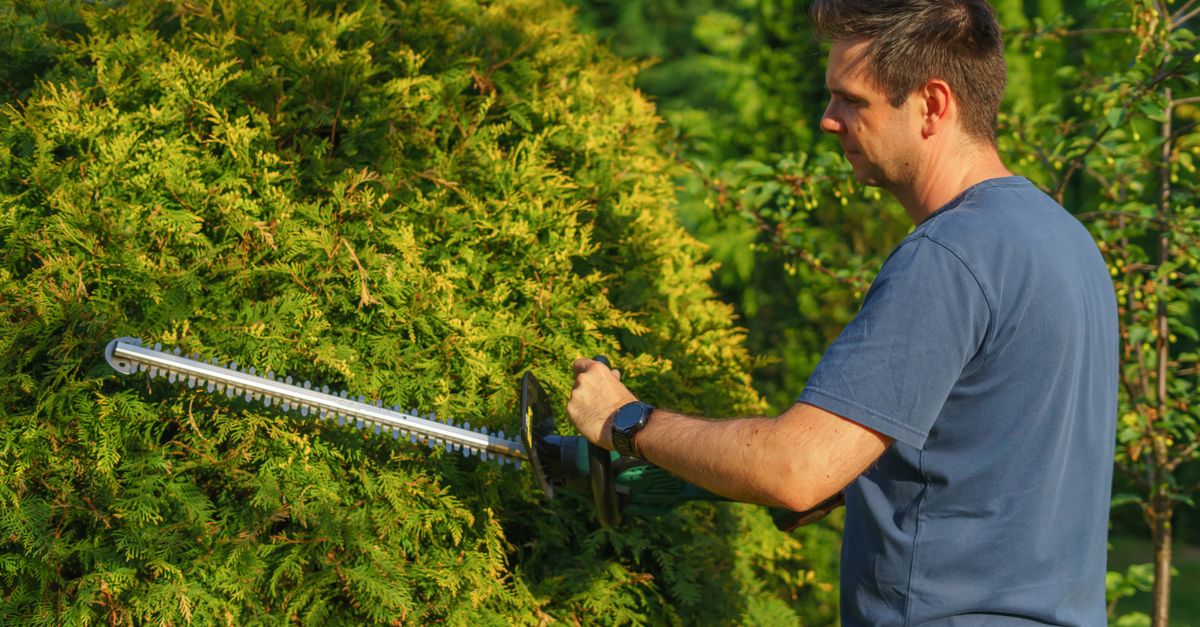
Tips for Effortless Tree Trimming with a Pole Saw
Table Of Contents
Seasonal Considerations for Tree Trimming
Timing plays a crucial role in effective tree trimming. Each season brings different growth patterns and behaviours in trees. For most species, late winter to early spring is ideal for pruning, as trees enter dormancy during this period. This timing allows for healthy regrowth once the warmer months arrive. Summer trimming can be performed on certain species to manage shape and remove dead branches, but care is necessary to avoid causing stress to the tree.
Considering the specific needs of your trees is vital when planning your trimming schedule. Some trees, such as oaks, should be trimmed in late summer to prevent diseases. Meanwhile, others, like fruit trees, flourish with pruning during late winter. Observing the local climate and the health of the trees should guide your decisions. Understanding these seasonal aspects helps ensure a healthier, longer-lasting tree while minimising potential damage.
The Importance of Timing in Tree Care
The timing of tree trimming is crucial for promoting healthy growth and maintaining the overall aesthetics of your landscape. Different species have specific periods of dormancy, making it essential to identify these windows. Pruning when trees are dormant encourages robust regrowth in spring, while trimming in late summer can lead to stressed trees unable to recover fully before winter sets in.
In addition to the seasonal factors, it is important to consider the specific weather conditions. Avoid pruning after heavy rain or during high winds, as these elements can increase the risk of accidents. Cooler, dry days are ideal for tree maintenance, ensuring a safer environment for both the person trimming and the tree itself. Taking these factors into account can significantly enhance the success of your tree care efforts.
Maintaining Your Pole Saw for Longevity
Regular cleaning of your pole saw is essential for optimal performance. After each use, take the time to remove debris and sap from the blades and the shaft. This simple act prevents build-up that can hinder cutting efficiency. Also, ensure that any dirt or leaves are cleared from the trigger mechanism. A clean pole saw will not only perform better but will also extend the life of its components.
Sharpening the blades is another critical aspect of maintenance. Dull blades require more effort to cut through branches and can lead to uneven cuts. Use a sharpening file designed for your specific pole saw blades, maintaining the original angle for the best results. Additionally, check all screws and bolts regularly to ensure they are tight, as vibrations during use can cause them to loosen over time. Proper care ultimately promotes safety and effectiveness during tree trimming tasks.
Regular Maintenance Tips to Ensure Performance
Keeping your pole saw in optimal condition requires regular maintenance. Start by checking the chains for any signs of wear or damage. If the chain appears dull, use a sharpening tool designed for this purpose. Be mindful of how tightly the chain is fitted to the bar; it should be snug but not overly tight, as this can lead to a reduction in performance and increased wear.
Next, inspect the bar for any cracks or bends. A damaged bar can negatively affect cutting efficiency. Clean the bar grooves and lubrication holes to prevent debris build-up. After each use, wipe down the saw to remove sap and dirt. Regular oiling of the chain helps reduce friction and prolongs its life, ensuring that your pole saw remains in top shape for future trimming tasks.
Common Mistakes to Avoid While Trimming
One frequent error during tree trimming is neglecting to assess the tree's health and the surrounding environment. Failing to recognise signs of decay or damage can lead to accidental harm to the tree and potentially create unsafe conditions. Moreover, trimming during the wrong season can stress the tree, possibly stunting its growth or leading to disease. Observing proper seasonal timing is crucial for effective trimming practices.
Another common mistake is using dull or improper tools for the job. Using a pole saw that isn’t sharpened can result in jagged cuts, increasing the risk of infection and negatively impacting the tree’s recovery. Additionally, trimming too much or too aggressively can weaken the tree, making it more susceptible to pests and diseases. Always approach the task with precision and care to preserve the tree’s overall health and stability.
Pitfalls That Can Lead to Damage or Injury
Using a pole saw requires careful attention to safety to prevent accidents. One common mistake is attempting to cut branches that are too large for the tool's capacity. This can lead to kickback, which poses an immediate risk to the user. Positioning oneself too close to the branch while cutting can also create hazards. Maintaining a safe distance and ensuring a steady footing can significantly reduce the risk of injury.
Another critical error is neglecting proper gear. Failing to wear protective equipment such as safety goggles and gloves increases vulnerability to falling debris and sharp edges. Ignoring the environment around the trees, such as power lines, can turn a routine trimming task into a dangerous situation. Always assessing surroundings before starting work ensures safer practices and helps avoid unforeseen accidents.
FAQS
What is the best time of year to trim trees with a pole saw?
The best time to trim trees is typically during late winter or early spring, before new growth begins. This timing helps promote healthy growth and reduces the risk of disease.
How often should I perform maintenance on my pole saw?
It’s recommended to inspect your pole saw before each use and perform deeper maintenance every few months, depending on how frequently you use it. Regular checks will help ensure optimal performance.
What are some common mistakes to avoid when trimming trees?
Common mistakes include trimming during the wrong season, cutting too close to the trunk, neglecting safety gear, and failing to properly maintain your equipment, which can lead to damage or injury.
How can I ensure my pole saw stays in good condition?
To maintain your pole saw, regularly clean the blades, check the chain tension, lubricate moving parts, and store it in a dry, protected area when not in use.
Is it safe to trim large branches with a pole saw?
While a pole saw can handle branches of a certain size, it’s important to assess your skill level and the branch's size. For very large branches, it may be safer to consult a professional.
Related Links
When to Use a Pole Saw for Maximum EfficiencyEssential Accessories for Your Pole Saw
Comparing Telescoping Pole Saws for Melbourne Gardens
Top Features to Look for in a Pole Saw
Understanding Electric vs Gas-Powered Pole Saws
The Best Pole Saw Brands Available in Australia