Tools and Techniques for Precision Thinning
Table Of Contents
Timing Your Thinning Operations
Selecting the right timing for thinning operations is critical to achieving optimal results in forest management. Environmental factors play a significant role in determining when thinning should take place. Early spring is often ideal, as trees begin to emerge from dormancy. This season allows for better visibility of the forest structure and the health of the trees. Additionally, avoiding periods of drought or excessive rainfall can minimise damage to the soil and surrounding vegetation.
Monitoring growth cycles is essential for effective timing. Assessing the species composition and target density is important for making informed decisions. Thinning should generally occur before trees become overcrowded, which can lead to competition for resources. Keeping detailed records of tree growth can assist in predicting the appropriate intervals for future thinning, ensuring the forest remains healthy and productive.
Seasonal Considerations for Optimal Results
Understanding the seasons is crucial for achieving the best results when thinning. During spring, trees experience a surge in growth, making it an excellent time to assess their health and vigour. Thinning done at this time allows for better light penetration and air circulation, promoting the growth of remaining trees. Late summer can also be beneficial, especially in regions where warm temperatures support further growth before the onset of colder months. Adjusting thinning schedules according to local climate patterns ensures healthier stands in the long run.
Autumn provides another strategic opportunity. As leaves start to change and drop, the canopy opens up, offering clearer visibility for assessing which trees to remove. This season’s cool temperatures can also minimise stress on remaining trees, allowing them to acclimatise before winter. It’s essential to consider local wildlife patterns as well; some species may be more active during certain times, impacting both the thinning process and subsequent forest regeneration. A thoughtful approach to seasonal timing enhances both the ecological balance and the economic viability of forest management practices.
Safety Measures During Thinning
Ensuring safety during thinning operations is paramount to protect both workers and the surrounding environment. Before commencing any thinning activities, it is essential to conduct a risk assessment that identifies potential hazards. This should include evaluating the terrain, assessing tree health, and considering unanticipated weather changes. Adequate training in the use of equipment and tools is critical. Each crew member should be versed in machinery operation and emergency protocols.
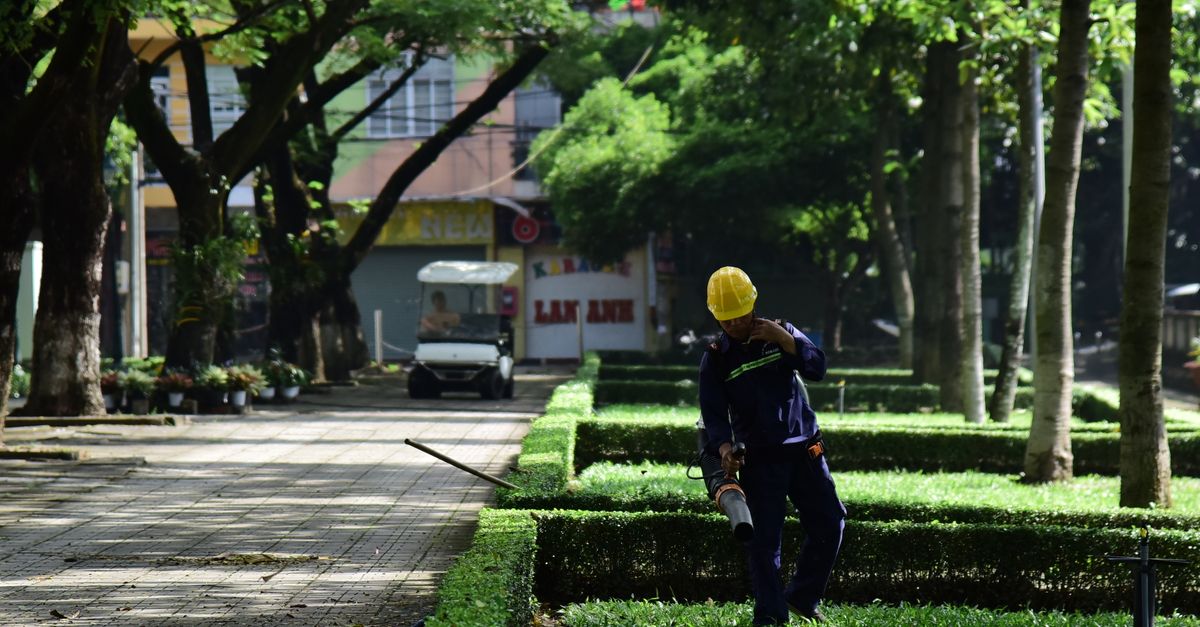
Personal protective equipment (PPE) plays a vital role in minimising injuries during thinning. Workers should don helmets, high-visibility clothing, and gloves to shield against falling branches and sharp tools. Footwear should have robust tread for stability on uneven ground. It is also advisable to establish a clear communication plan among the crew to ensure all members are aware of their surroundings and can effectively report any safety concerns that may arise. Engaging in regular safety drills can further reinforce awareness and preparedness.
Protective Gear and Precautions
Safety should remain a top priority during thinning operations. Wearing appropriate protective gear is essential to safeguard against potential hazards in the field. Helmets, eye protection, and hearing protection are crucial to shield workers from falling branches and equipment noise. High-visibility clothing allows operators to be easily seen, reducing the risk of accidents. Sturdy gloves and steel-capped boots also provide additional safety, ensuring hands and feet are well protected while handling tools and navigating uneven terrain.
Before commencing operations, it is important to conduct a safety briefing to ensure all team members are aware of potential risks and necessary precautions. A thorough check of equipment can prevent malfunctions that might lead to injuries. It is advisable to have first aid supplies readily available on site, along with knowledge of basic first aid procedures. Encouraging a culture of safety awareness among crew members can foster an environment where risks are actively managed, ultimately leading to safer thinning practices.
Evaluating Thinning Outcomes
The effectiveness of thinning operations can be assessed through a variety of metrics, focusing on ecological health and commercial viability. Key indicators include changes in tree density, overall growth rates, and biodiversity levels within the treated area. Monitoring these factors over successive growing seasons can provide insights into how well the thinning has facilitated healthier forest ecosystems. Additionally, measuring the yield of timber and non-timber forest products aids in evaluating the economic benefits derived from the thinning process.
Long-term studies are essential for understanding the full impact of thinning practices. Regular assessments allow forest managers to adjust their strategies based on observed outcomes. Utilising tools such as remote sensing technology and on-the-ground surveys can enhance the accuracy of these evaluations. By systematically analysing the results, managers can make informed decisions that align with both conservation goals and productivity targets, ensuring sustainable management of forest resources.
Measuring Success in Forest Management
Success in forest management can be gauged through various metrics, which often include biodiversity, tree health, and overall forest productivity. Monitoring the growth of remaining trees after thinning operations provides insights into the effectiveness of these practices. Regular assessments can reveal how well the ecosystem is adapting to changes. This evaluation can guide future management decisions and help in refining thinning techniques.
Additionally, the economic benefits derived from thinning must be considered. Increased timber yield and enhanced recreational opportunities often result from successful thinning, contributing to the sustainability of forest resources. Engaging stakeholders in the evaluation process can foster a sense of ownership and responsibility towards forest stewardship. Regular reports and feedback mechanisms can ensure that all involved parties remain informed and supportive of long-term goals.
FAQS
What is precision thinning in forestry?
Precision thinning is a forest management technique that involves selectively removing trees to improve the health and growth of remaining trees while maintaining ecological balance.
When is the best time to conduct thinning operations?
The best time for thinning operations typically depends on seasonal conditions and the specific species of trees being managed. Generally, late winter or early spring is preferred to avoid stress on trees and minimise the impact on wildlife.
What safety measures should I take during thinning operations?
It’s crucial to wear appropriate protective gear such as helmets, gloves, goggles, and hearing protection. Additionally, always follow safety protocols, maintain a clear work area, and ensure communication with your team.
How can I evaluate the success of my thinning operations?
Success can be measured through various indicators such as increased growth rates of remaining trees, improved sunlight penetration to the forest floor, and overall biodiversity health. Regular monitoring and assessment after thinning can provide valuable insights.
Are there specific tools recommended for precision thinning?
Yes, tools such as chainsaws, handsaws, pruning shears, and felling axes are commonly used. Additionally, advanced techniques may involve the use of drones and GPS technology for planning and monitoring thinning activities.
Related Links
Thinning Methods for Maintaining Aesthetic Tree ShapesThe Impact of Thinning on Tree Growth Rates
How Thinning Affects Wildlife Habitat in Urban Settings
Selecting the Right Trees for Thinning in Urban Environments
Common Mistakes in Tree Thinning and How to Avoid Them
Thinning Techniques for Enhancing Light Penetration
Seasonal Timing for Thinning Trees in Melbourne
Best Practices for Effective Thinning of Tree Canopies
Understanding the Importance of Thinning Methods in Tree Health