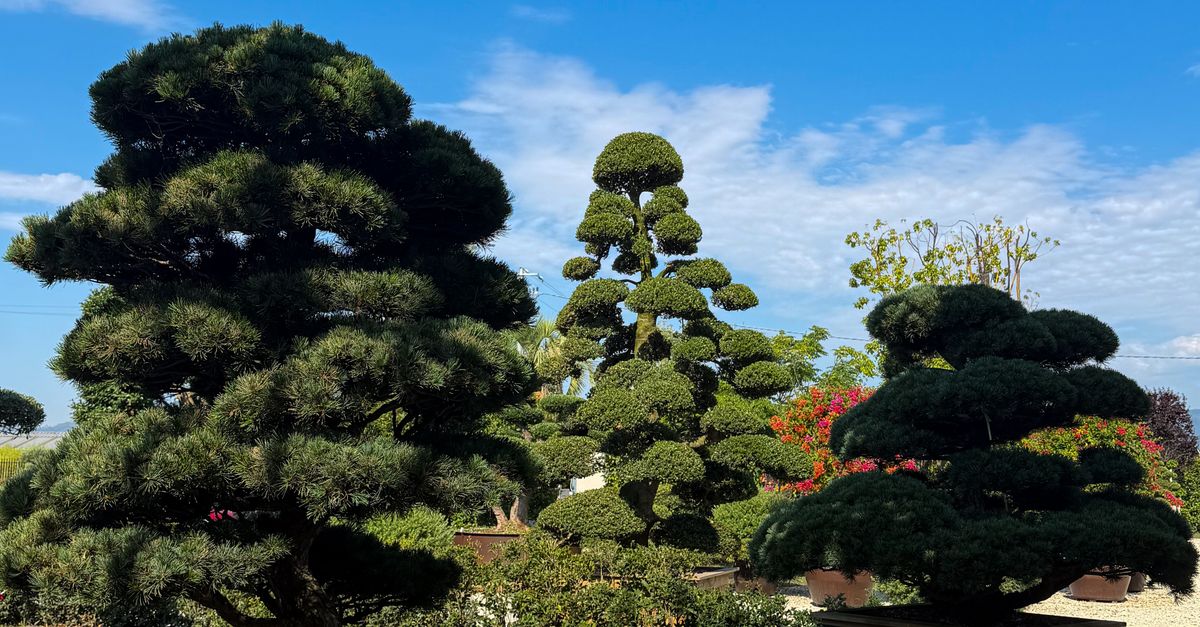
Understanding the Benefits of Pruning for Tree Health in Melbourne
Table Of Contents
The Role of Pruning in Disease Prevention
Effective pruning removes dead, diseased, or overcrowded branches that can become hosts for pests and pathogens. This process promotes better air circulation within the tree’s canopy, reducing humidity and dampness that could facilitate fungal growth. By focusing on the interior branches, arborists can create a healthier environment for the tree, allowing it to allocate resources more efficiently to its remaining limbs.
Additionally, pruning at the right time can minimise the spread of disease among trees in the neighbourhood. If an infected branch is left intact, it can easily transmit pathogens to healthy trees nearby. Regular maintenance not only safeguards individual specimens but also contributes to the overall health of the local ecosystem.
How Proper Care Lowers Disease Spread
Regular pruning plays a significant role in minimising the spread of diseases among trees. By removing dead or infected branches, the likelihood of pathogens taking hold is greatly reduced. This proactive measure prevents the establishment of a breeding ground for fungi and bacteria, which can thrive in overgrown or compromised areas. Keeping the canopy open encourages proper air circulation, allowing trees to remain dry and less hospitable to diseases.
Moreover, pruning can eliminate competition for resources, ensuring that healthy branches receive adequate nutrients and sunlight. This focused care helps trees enhance their natural defences. When trees are strong and well-maintained, they are more resilient against environmental stressors and disease. A consistent pruning schedule fosters longevity and vitality, making it easier to monitor tree health over time.
Impact on Aesthetics and Landscape Design
Strategic pruning enhances the visual appeal of trees, contributing significantly to overall landscape design. Well-maintained trees showcase a harmonious balance of structure and style. Regularly trimmed branches can highlight a tree's natural form, allowing for an elegant silhouette that complements surrounding flora and hardscapes. This attention to detail not only elevates the aesthetic value of the property but also promotes a sense of care and order.
A well-pruned tree can serve as a focal point in garden designs, drawing the eye and directing attention to specific areas. Pruning allows for the removal of any unsightly growth, ensuring that the tree enhances the landscape rather than detracting from it. The careful selection of which branches to remove or shape can create depth and dimension, making outdoor spaces more inviting and visually appealing. Ultimately, thoughtful pruning plays a crucial role in achieving a cohesive design that harmonises with the natural environment.
Creating Visual Appeal Through Strategic Pruning
Pruning can significantly enhance the visual appeal of trees, transforming the landscape and contributing to a cohesive outdoor environment. Thoughtful trimming encourages healthy growth patterns and ensures that trees retain their natural beauty while complementing surrounding plants. Removing dead, damaged, or overcrowded branches not only improves the tree’s aesthetic but also allows for better light penetration and air circulation, creating a more vibrant ecosystem.
Strategic pruning techniques, such as crown thinning and shaping, can effectively enhance the overall form and structure of a tree. These methods help showcase the tree's inherent characteristics, aligning it with landscape design goals. When done properly, pruning can create focal points that draw the eye and add depth to garden arrangements, while promoting harmony with other elements in the space. Careful planning and execution are vital for achieving the desired visual outcomes.
Professional vs. DIY Pruning
Individuals often consider tackling pruning projects themselves to save costs and take control of their landscaping. Acquiring some basic tools and research can assist in completing minor tasks. However, a lack of expertise may result in improper cuts that harm tree health. Incorrect techniques can lead to increased vulnerability to pests and diseases, ultimately undermining the desired benefits of pruning.
Enlisting the services of a qualified arborist provides advantages that outweigh the benefits of a DIY approach. These professionals possess the necessary training and experience to assess the specific needs of trees. They can ensure that pruning is performed correctly, promoting optimal growth and vitality. Additionally, an arborist can identify underlying issues that may require attention, offering a holistic approach to tree care.
When to Hire an Arborist
Homeowners often face the decision of whether to handle tree pruning themselves or enlist a professional. Factors such as the size and species of the tree, as well as its location, play significant roles in this decision. Large trees or those situated near power lines or structures may pose safety risks during pruning. In these cases, hiring a certified arborist ensures that the job is done safely and effectively.
Professional arborists possess the expertise to assess the health of trees and recommend the best pruning techniques. They understand the biology of trees and can identify signs of disease or damage that may not be evident to an untrained eye. Additionally, their knowledge of local regulations regarding tree care can save homeowners from potential fines or complications. Engaging an arborist can provide peace of mind and long-term benefits for tree health.
FAQS
What is the primary purpose of pruning trees?
The primary purpose of pruning trees is to remove dead or diseased branches, improve air circulation, and promote healthy growth, which can ultimately enhance the tree's overall health and appearance.
How does pruning help in disease prevention?
Pruning helps in disease prevention by removing infected branches and allowing better airflow and sunlight penetration, which reduces humidity and creates an environment less conducive to fungal growth and other tree diseases.
Can pruning improve the aesthetics of my landscape?
Yes, strategic pruning can significantly improve the aesthetics of your landscape by shaping trees and shrubs, promoting a balanced growth pattern, and enhancing the visual appeal of your outdoor space.
When is the best time to prune trees in Melbourne?
The best time to prune trees in Melbourne typically varies by species, but late winter to early spring is generally recommended, as it allows trees to heal faster and encourages new growth during the warmer months.
Should I hire a professional arborist for tree pruning or can I do it myself?
While DIY pruning is possible for small trees and shrubs, hiring a professional arborist is advisable for larger trees or complex jobs, as they have the expertise and equipment to ensure proper techniques are used and the tree's health is maintained.
Related Links
Seasonal Pruning: Timing Your Tree Trimming for Best ResultsTools of the Trade: Best Practices for Pruning with Precision
Using the Three-Cut Method for Safe Tree Branch Removal
Encouraging New Growth Through Proper Pruning Techniques
Common Pruning Mistakes and How to Avoid Them