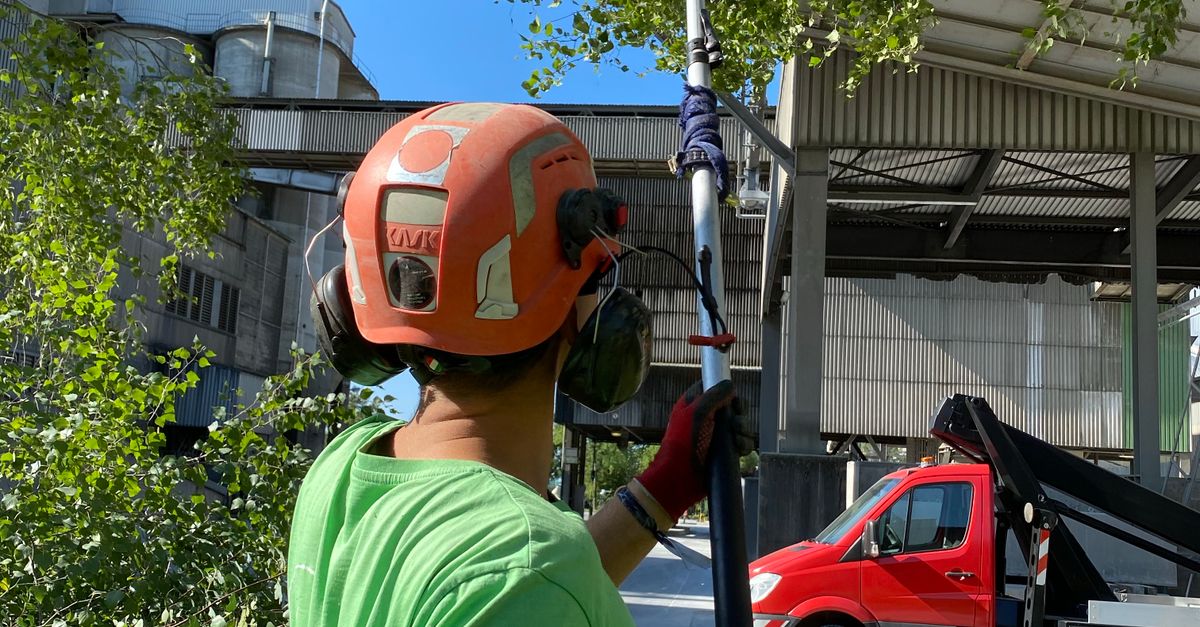
Understanding the Importance of Deadwooding in Tree Health Care
Table Of Contents
Timing for Deadwooding
Addressing deadwood in trees is most effective during specific times of the year, especially in early spring or late autumn. These periods are ideal since trees are typically in their dormant phase, reducing stress caused by the removal of dead branches. During these times, trees are less likely to experience sap loss, which can lead to infection or pest infestation. Additionally, the absence of foliage in autumn allows for easier assessment of branches that need attention.
Avoiding summer is important due to the increased risk of tree stress and exposure to pests. In hot months, trees are actively growing, and removing deadwood can hinder their ability to thrive. Regular monitoring throughout the year can help identify deadwood early, ensuring timely action is taken. By selecting the right season for deadwooding, tree health is supported, promoting a stronger and more resilient canopy.
Best Seasons for Maintaining Tree Health
The best time for deadwooding typically falls during late autumn to early spring. During these seasons, trees enter a dormant phase, reducing stress on plants during the removal of dead branches. Additionally, visibility improves as the canopy thins, making it easier to spot and assess which limbs need attention. This period allows for a more effective deadwooding process while minimising the risk of disease transmission or attracting pests.
Summer months should generally be avoided for significant deadwooding tasks. Trees are in active growth, and stress induced by cutting could result in complications such as slow healing or susceptibility to disease. It is crucial to consider weather conditions as well. Overcast days or mild temperatures can offer an ideal environment for trimming, minimising the risk to the tree's overall health.
Professional vs. DIY Deadwooding
When considering deadwooding, many homeowners face the decision between taking a DIY approach or hiring a professional arborist. Handling this task on your own can appear appealing, especially when it comes to saving costs. However, it requires an understanding of tree biology and safety practices. Incorrect techniques can lead to significant damage, impacting the tree's health and stability. Moreover, improper removal of deadwood may expose the tree to diseases or infestations, negating any intended benefit.
On the other hand, professional arborists bring expertise and experience to the table. Their trained eye can distinguish between deadwood that requires removal and healthy branches that should remain intact. In addition to the technical skills, they possess the right tools for the job, ensuring safe and efficient work. Engaging a professional not only ensures the health of the tree but also provides peace of mind, knowing that the process adheres to the best practices in tree care. Ultimately, the choice between DIY and professional assistance should take into account the complexity of the task and the potential long-term implications for tree health.
When to Seek Expert Assistance
Determining when to engage a professional for deadwooding is essential for maintaining tree health and safety. If a tree is large, has a significant number of dead branches, or is positioned close to structures or power lines, the risks associated with handling the task increase. Experts possess the necessary equipment and training to manage hazardous situations and ensure that the job is done effectively without causing harm to the tree or surrounding property.
Homeowners should also consider seeking professional help when they lack the expertise to identify potential issues with their trees. Signs such as extensive decay, complicated branch structures, or the presence of pests can complicate deadwooding. An arborist can accurately assess the condition of the tree and recommend appropriate action, ensuring that not only is the tree cared for but also that local ecosystems remain healthy.
The Impact of Deadwooding on Biodiversity
Removing dead or dying branches encourages healthier tree growth, which can enhance the overall ecosystem. Healthy trees provide essential habitat and food sources for various wildlife species. By promoting vigorous growth, deadwooding enables trees to support birds, insects, and other organisms, thereby fostering a diverse range of life forms in their vicinity.
Additionally, clearing dead branches reduces the likelihood of pest infestations and diseases that can spread to neighbouring plants. This proactive approach creates a more resilient environment that supports not just the trees themselves but also the broader community of flora and fauna. A well-maintained tree contributes to the stability and health of local habitats, making it an important practice for sustaining biodiversity.
Supporting Local Ecosystems
Healthy trees play a crucial role in supporting local ecosystems. By removing deadwood, tree care practitioners help improve habitat conditions for a variety of wildlife species. Many birds and insects rely on decaying wood for nesting and foraging opportunities. When dead branches are allowed to accumulate, they can create imbalances that affect not only the tree but also the organisms that depend on it.
Furthermore, the practice of deadwooding can promote healthier tree growth, which contributes to the overall vitality of surrounding flora and fauna. As trees strengthen and expand their canopy, they enhance moisture retention in the soil, benefiting ground-dwelling plants and animals. This process supports a diverse array of species, maintaining the ecological balance essential for thriving local environments.
FAQS
What is deadwooding?
Deadwooding is the process of removing dead, damaged, or diseased branches from a tree to promote overall tree health and encourage new growth.
When is the best time to deadwood trees?
The best seasons for deadwooding are typically late autumn and winter when trees are dormant, as this minimizes stress on the tree and reduces the risk of pests and diseases.
Can I deadwood my trees myself, or should I hire a professional?
While DIY deadwooding is possible for small trees or branches, it's advisable to seek expert assistance for larger trees or if you're unsure about the process to ensure safety and proper technique.
How does deadwooding impact local biodiversity?
Deadwooding can enhance local biodiversity by creating healthier trees that can support a variety of wildlife, including birds, insects, and other organisms that thrive in a well-maintained ecosystem.
What signs indicate that I should consider deadwooding my trees?
Signs that indicate the need for deadwooding include the presence of dead or broken branches, mould or fungus on the tree, and a lack of new growth, which may suggest that the tree's health is compromised.
Related Links
Step-by-Step Guide to Effective Deadwooding TechniquesThe Impact of Deadwooding on Tree Stability
Common Mistakes to Avoid During Deadwooding
How to assess the extent of Deadwood to be Removed
The Role of Deadwooding in Preventing Tree Diseases