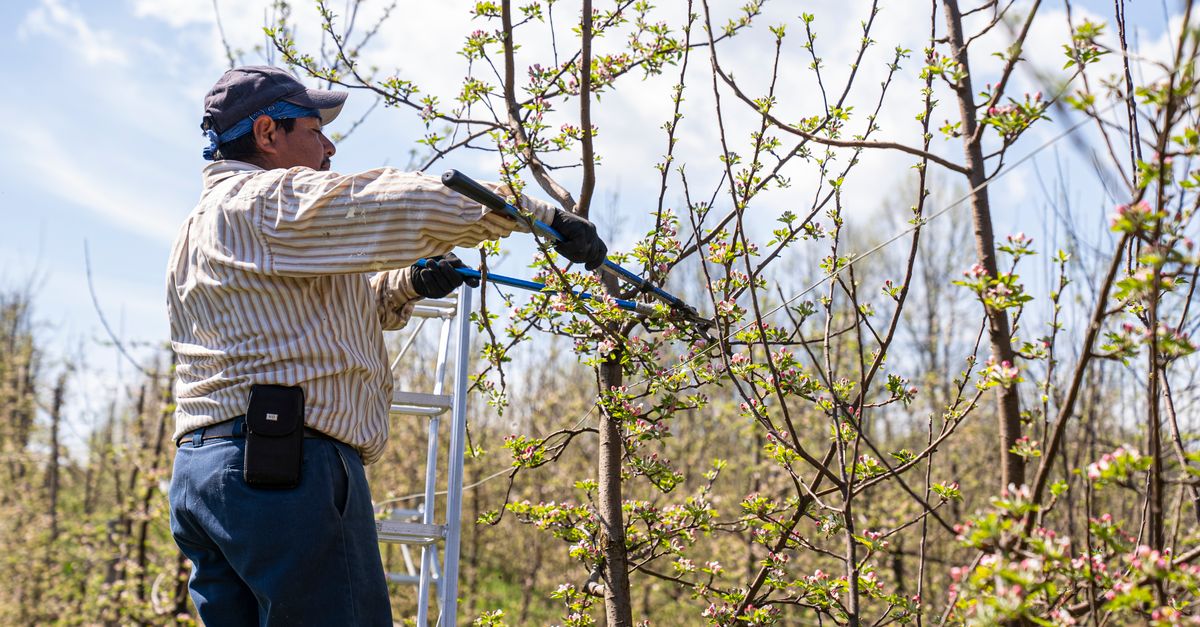
Best Eye Protection Gear for Tree Trimming Activities
Table Of Contents
Maintenance and Care for Eye Protection
Regular maintenance is essential for ensuring the longevity and effectiveness of your eye protection gear. After each use, it is advisable to inspect the lenses for scratches or any signs of damage. Minor scratches can impair visibility and warrant replacement. Additionally, check the frames for any cracks or looseness. Always follow the manufacturer's guidelines for cleaning to avoid damaging the protective coatings. For most lenses, a gentle wash with warm soapy water and a soft cloth will suffice.
Storing your safety eyewear properly can also prolong its life. Keep them in a protective case when not in use to prevent scratches or impacts from other equipment. Avoid placing the glasses in pockets or bags where they may be crushed or knocked about. Additionally, store them in a cool, dry place out of direct sunlight. Prolonged exposure to UV rays can weaken the materials over time, affecting both performance and protection. Taking these simple steps can significantly enhance the durability and reliability of your eye protection during tree trimming activities.
Cleaning and Storing Your Safety Gear
Regular maintenance of eye protection gear is essential for ensuring safety and longevity. Start by removing any debris or dirt after each use. A soft, damp cloth can be used to gently wipe the lenses, avoiding harsh chemicals that might cause scratches or damage. Always check for any cracks or defects that might compromise the integrity of the goggles or glasses. If any damage is noted, the gear should be replaced immediately to maintain optimal protection.
Storing eye protection gear properly will help extend its life and functionality. Keep the equipment in a cool, dry place away from direct sunlight, as UV exposure can degrade materials over time. Utilising a protective case or dedicated storage bag can prevent scratches and other physical damage. Organising the gear in a designated spot makes it easier to locate and ensures that it’s always ready for use during tree trimming activities.
Understanding Safety Standards
Safety standards are crucial for ensuring that eye protection gear effectively shields users from potential hazards during tree trimming activities. In Australia, various regulatory bodies establish guidelines that manufacturers must adhere to in order to guarantee product reliability. These standards provide specifications regarding impact resistance, optical clarity, and durability. Familiarity with these requirements enables individuals to select appropriate protective eyewear that meets their specific needs while working near falling branches or debris.
Compliance with safety standards not only protects the wearer but also fosters a culture of safety within the workplace. Regular audits and inspections may be required to ensure that all equipment adheres to the latest regulations. Furthermore, ongoing education about the importance of proper eye protection can help reinforce safe practices among tree trimming teams. By prioritising adherence to these standards, workers can contribute to a safer environment for themselves and their colleagues.
Compliance with Australian Safety Regulations
In Australia, eye protection gear must meet specific standards to ensure user safety during tree trimming activities. The Australian/New Zealand Standard AS/NZS 1337 outlines the requirements for eye protectors, including materials, design, and performance criteria. Compliance with this standard guarantees that the gear can effectively shield against common hazards such as flying debris, dust, and branches. Furthermore, it ensures that the eyewear provides adequate optical performance while maintaining comfort for extended wear.
Employers and individuals engaged in tree trimming should regularly verify that their eye protection equipment adheres to these regulations. It is essential to purchase gear from reputable suppliers who can provide evidence of compliance with Australian standards. Regular audits of safety gear also enhance compliance, ensuring that the equipment remains in good condition and effective. By prioritising adherence to safety regulations, one can significantly reduce the risk of eye injuries in potentially hazardous environments.
Training and Best Practices
Proper training is essential for anyone involved in tree trimming activities. Participants should receive comprehensive instruction on the risks associated with the job. Understanding safe practices helps minimise accidents and injuries. Techniques such as maintaining a safe distance from cutting tools and ensuring stable footing can significantly enhance personal safety. Familiarity with the equipment also contributes to a safer working environment.
In addition to initial training, ongoing education is crucial. Regular safety briefings can reinforce best practices and introduce new safety measures. Workers should be encouraged to discuss any concerns or suggestions regarding safety protocols. Conducting mock drills allows team members to practice emergency procedures in a controlled setting. Cultivating a culture of safety promotes vigilance and accountability among colleagues.
Ensuring Safe Techniques During Tree Trimming
Tree trimming requires a well-thought-out approach to ensure both safety and efficiency. Before starting, it's essential to assess the area for any potential hazards such as overhead power lines or unstable branches. Proper planning involves identifying the right techniques for the specific task, using appropriate tools, and having a clear escape route in case of accidents.
Awareness of one's surroundings plays a crucial role during the trimming process. Always maintain communication with team members to coordinate movements and avoid any missteps. It’s advisable to wear protective gear at all times, including safety glasses specifically designed for impact protection. Adhering to these techniques not only keeps individuals secure but also contributes to a smoother and more organised work environment.
FAQS
Why is eye protection important during tree trimming?
Eye protection is crucial during tree trimming to safeguard against flying debris, branches, and sharp tools that can cause serious eye injuries.
What types of eye protection gear are recommended for tree trimming?
Recommended eye protection gear includes safety glasses, goggles, and face shields that meet relevant safety standards and provide adequate coverage.
How should I clean my eye protection gear?
Clean your eye protection gear with mild soap and water, avoiding abrasive materials. Ensure they are completely dry before storing to prevent damage.
Are there specific safety standards for eye protection in Australia?
Yes, eye protection must comply with Australian safety standards, such as AS/NZS 1337, which outlines the requirements for protective eyewear.
What are the best practices for wearing eye protection during tree trimming?
Ensure that your eye protection fits properly, is free of scratches, and is worn at all times during tree trimming activities to effectively shield your eyes from hazards.
Related Links
Footwear Safety Standards for Arborists in MelbourneThe Importance of Protective Gloves in Tree Care
Evaluating the Impact of PPE Training on Team Safety
Understanding the Significance of Respirators in Tree Maintenance
The Role of High-Visibility Clothing in Arborist Safety
How to Select Effective Hearing Protection for Tree Work
Proper Use of Safety Helmets During Tree Trimming
Choosing the Right PPE for Tree Trimming in Melbourne