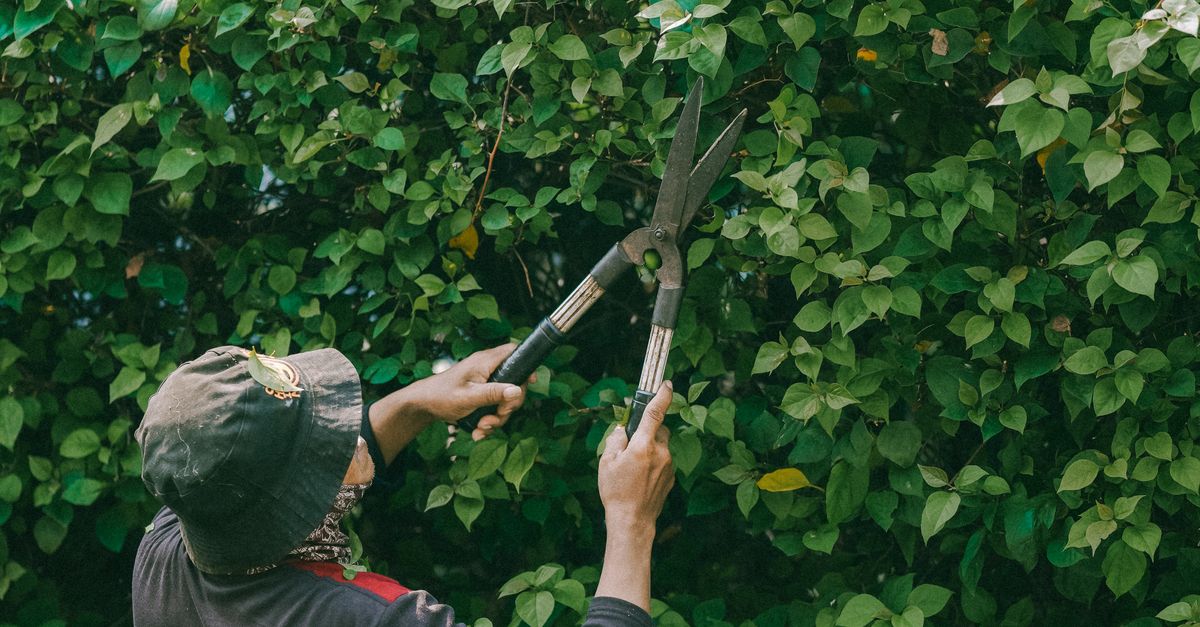
The Role of High-Visibility Clothing in Arborist Safety
Table Of Contents
Selecting the Right High-Visibility Gear
Choosing high-visibility gear requires careful consideration of various factors to ensure safety in the field. Visibility is paramount. Selecting gear that meets Australian safety standards is essential. Bright colours such as fluorescent yellow, orange, and pink provide maximum visibility in both daylight and low-light conditions. The gear should also feature reflective strips, which enhance visibility during twilight hours or in adverse weather conditions.
Fit and comfort are equally important when selecting high-visibility apparel. Loose-fitting clothing may hinder movement and pose a safety risk when operating machinery or climbing trees. Consider fabric breathability for warmer climates and insulation for cooler environments. Ensure the apparel allows for layering, accommodating fluctuating weather. Regular assessments of gear for wear and tear help maintain its effectiveness, promoting safety for all team members in various working conditions.
Factors to Consider When Choosing Apparel
Choosing high-visibility apparel goes beyond selecting bright colours. Arborists should assess factors such as fabric type, breathability, and durability. Weather conditions play a significant role; clothing should be suitable for both hot and cold environments. It is essential to opt for materials that can withstand the rigours of outdoor work while providing comfort.
Fit and style are also crucial in ensuring safety and functionality. Loose clothing can hinder movement and pose a risk of entanglement in equipment. Reflective strips or patterns enhance visibility but should not compromise the wearer’s range of motion. Selecting garments with pockets for essential tools can further enhance practicality while maintaining high visibility.
Maintenance and Care for High-Visibility Clothing
Proper maintenance of high-visibility clothing is essential to ensure its effectiveness and longevity. Regular washing is necessary to remove dirt and contaminants that can dull the reflective properties of the fabric. It is important to follow the manufacturer's care instructions, as different materials may require specific washing temperatures or methods. Avoid using bleach or fabric softeners, as these can compromise the visibility features. Inspect the gear frequently for any signs of wear and tear, such as fading or fraying, since compromised clothing may not provide adequate safety.
Storing high-visibility clothing correctly contributes significantly to its lifespan. Gear should be kept in a cool, dry place away from direct sunlight, as prolonged exposure can weaken the fabric's visibility. Folding or hanging clothing ensures that it retains its shape and reflective properties. Regularly check for any signs of damage, especially after use in challenging environments. By adopting these practices, arborists can maintain their high-visibility gear in optimal condition, ensuring effective performance and safety.
Best Practices for Longevity and Performance
To ensure high-visibility clothing remains effective and lasts longer, proper maintenance is essential. Regular washing with mild detergents helps retain the reflective properties of the fabric. It is crucial to avoid using bleach or fabric softeners, as these can damage the reflective material. Following the manufacturer's care instructions is recommended, especially when it comes to drying and ironing, which can significantly impact the garment’s performance.
Storage practices also play an important role in extending the lifespan of high-visibility apparel. Ideally, clothing should be kept in a cool, dry place away from direct sunlight to prevent fading and degradation of the fabric. Inspecting gear regularly for signs of wear and tear can help identify any necessary repairs early, ensuring that safety remains uncompromised. By adhering to these guidelines, arborists can maximise the effectiveness and durability of their high-visibility clothing.
Training Arborists on Safety Gear
Effective training is essential for arborists to fully understand the importance of wearing high-visibility clothing. Familiarising teams with the specific regulations surrounding safety gear can significantly enhance their awareness on-site. Workshops and demonstrations can provide practical insights into the proper use of various apparel, ensuring that all team members appreciate its role in preventing accidents. Additionally, real-life scenarios can illustrate the benefits of visibility in reducing risks associated with working near traffic or in densely wooded areas.
Incorporating safety gear training into regular safety meetings can reinforce its significance. Encouraging discussions around experiences and challenges related to visibility fosters a culture of safety among team members. Continuous education ensures that staff remain aware of advancements in high-visibility gear technology and best practices. By making safety gear a focal point in training sessions, arborists can develop a proactive approach to their own safety and that of their colleagues.
Educating Teams on Proper Use and Benefits
Effective training on the use of high-visibility clothing is essential for ensuring safety in arborist operations. Teams should be familiarised with the types of high-visibility gear available, including the varying levels of brightness and reflectivity. Instruction should cover when and where to wear such clothing to maximise visibility in different environments. Practical demonstrations that outline how to properly fit and adjust the gear will foster comfort and encourage consistent usage among team members.
Understanding the benefits of high-visibility clothing can reinforce its importance among arborists. Highlighting instances where visibility has prevented accidents can strengthen the case for wearing this gear. Discussions around regulations and standards that mandate safety apparel will also aid in compliance and promote a culture of safety within teams. Regular refresher training sessions can help maintain awareness and ensure that all team members are up to date with best practices regarding high-visibility gear.
FAQS
Why is high-visibility clothing important for arborists?
High-visibility clothing is essential for arborists as it enhances their visibility in various working conditions, reducing the risk of accidents and ensuring they are easily seen by coworkers and passing vehicles.
What factors should I consider when selecting high-visibility gear?
When selecting high-visibility gear, consider factors such as the level of visibility required, the type of work environment, comfort, durability, and compliance with safety standards.
How should I care for my high-visibility clothing to ensure its effectiveness?
To maintain the effectiveness of high-visibility clothing, wash it according to the manufacturer’s instructions, avoid using fabric softeners, and inspect it regularly for signs of wear or damage.
What are some best practices for extending the life of high-visibility apparel?
Best practices for longevity include storing the clothing properly away from direct sunlight, repairing any tears promptly, and avoiding exposure to chemicals that could compromise visibility.
How can I train my team on the proper use of high-visibility clothing?
Training can include educating your team on the importance of wearing high-visibility clothing, demonstrating how to properly wear and care for it, and discussing scenarios where visibility is crucial for their safety.
Related Links
Understanding the Significance of Respirators in Tree MaintenanceHow to Select Effective Hearing Protection for Tree Work
Evaluating the Impact of PPE Training on Team Safety
Footwear Safety Standards for Arborists in Melbourne
Best Eye Protection Gear for Tree Trimming Activities
The Importance of Protective Gloves in Tree Care
Proper Use of Safety Helmets During Tree Trimming
Choosing the Right PPE for Tree Trimming in Melbourne
Essential Items for Safe Tree Trimming Practices