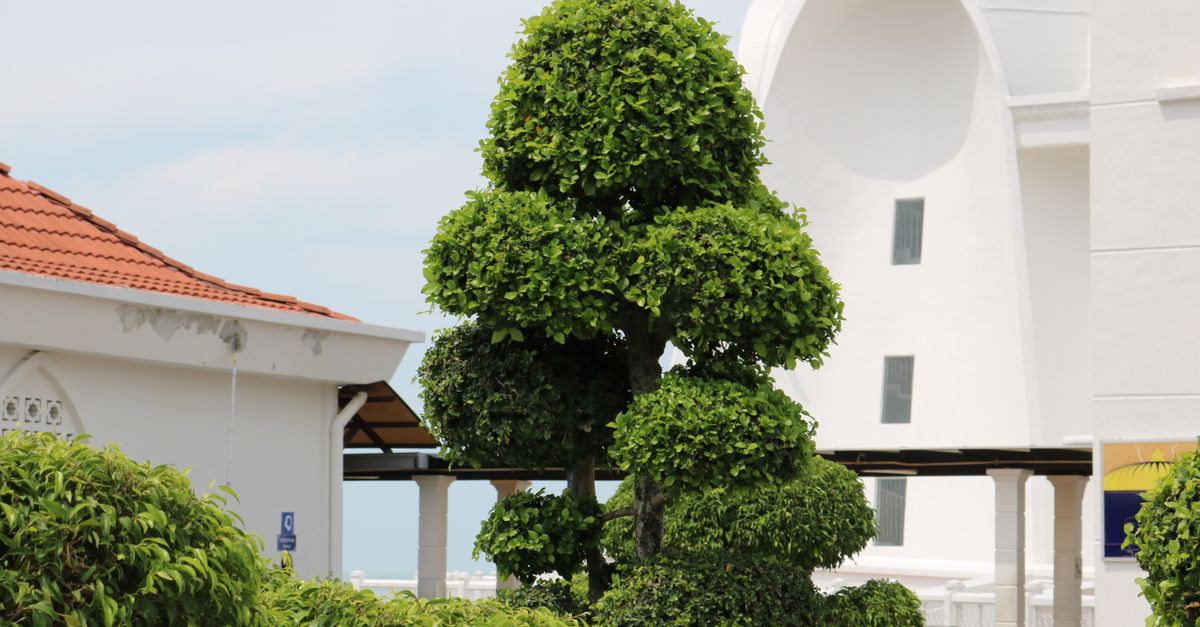
The Role of Topping in Creating Aesthetic Tree Shapes
Table Of Contents
Tools and Equipment for Topping
When embarking on the task of topping trees, having the right tools will significantly influence both the safety and precision of the job. A sturdy pair of pruning shears or loppers is essential for small branches, while a pole saw may be necessary for higher cuts. For larger limbs, a chainsaw is often the tool of choice, providing the power required for efficient trimming. Safety gear must not be overlooked. Helmets, goggles, and gloves protect against unforeseen accidents that can occur while handling sharp equipment.
Apart from basic cutting tools, a good ladder or elevated platform can aid in reaching difficult branches without compromising stability. Tarpaulins or drop cloths help in collecting debris, ensuring a clean workspace and preventing damage to surrounding areas. Each tool serves a specific purpose, making it crucial to assess the tree's condition and size before selecting equipment. The right combination not only enhances the aesthetic outcome but also contributes to a safer and more effective topping process.
Essential Gear for Safe and Efficient Topping
A variety of tools is essential for effective topping to ensure safety and precision. A high-quality chainsaw is often the primary tool of choice, allowing for clean cuts on larger branches. Whether opting for electric or petrol-powered versions, it’s crucial to select one that suits the scale of work and the type of trees being managed. Additionally, handheld pruning saws can be useful for smaller branches where more control is required. Safety gear such as a helmet, gloves, and protective eyewear should always be worn to mitigate the risk of injury.
Incorporating ladders and harnesses can significantly enhance the efficiency of topping operations. A sturdy ladder provides the necessary height for accessing those hard-to-reach branches without compromising safety. When working with larger trees, a harness connected to a secure anchor point allows for freedom of movement while maintaining stability. It is also advisable to have a rope or sling on hand, enabling the safe lowering of heavy cut branches. Properly maintaining equipment ensures that it functions optimally, contributing to an overall more streamlined process.
Topping vs. Other Pruning Methods
Topping is often characterised by the removal of the tree's topmost branches, aiming to achieve a compact and aesthetically pleasing shape. This method can yield immediate visual results but may also lead to structural weakness and health issues in the long term. In contrast, other pruning techniques focus on selective branch removal, which promotes natural growth patterns and maintains the tree's overall health. Techniques like crown thinning or crown raising allow trees to flourish while preserving their integrity and natural appearance.
While topping might provide quick visual impact, it is essential to consider the potential drawbacks that accompany this approach. Other methods of pruning allow for a more balanced tree structure, reducing the risk of decay and pest invasion. By preserving the tree’s natural form, these techniques contribute to a healthier environment. Understanding the implications of topping versus these alternatives can aid gardeners in making informed decisions that prioritise both aesthetics and the tree's well-being.
Comparing Techniques for Aesthetic Tree Management
Topping is often contrasted with selective pruning, a method where specific branches are removed to achieve a desired shape while maintaining the tree's natural growth pattern. Selective pruning allows for more control over the tree’s health, encouraging stronger, more balanced growth. This technique often results in a more aesthetically pleasing appearance, as it enables the tree to maintain its maturity and unique characteristics. The development of new foliage can also foster a vibrant canopy that appeals to both the eye and the ecological balance in its environment.
On the other hand, topping can lead to hastened growth of weakly attached shoots. These shoots may create a stark and unnatural appearance, deviating from the tree’s inherent form. While topping can yield immediate changes in shape, the long-term effects don't always align with the goals of aesthetic management. The importance of considering the overall health of the tree becomes evident when evaluating these techniques, as a thriving tree contributes more significantly to the landscape’s beauty and ecological integrity.
Professional vs. DIY Topping
Engaging a professional for topping can provide significant benefits. Certified arborists are trained to employ the most effective techniques that ensure the tree remains healthy while achieving the desired aesthetic. They possess the specialised equipment necessary for safe and efficient execution, reducing the risk of injury or damage to the tree and surrounding area. Professionals also have a comprehensive understanding of tree biology and growth patterns, which is essential for maintaining the overall well-being of the tree.
Opting for a DIY approach may be tempting, particularly for those with some experience in gardening or landscaping. However, it requires a thorough understanding of proper techniques to avoid over-pruning or introducing stress to the tree. While it can be cost-effective, the dangers of inadequate equipment and insufficient knowledge can lead to more harm than good. Making the wrong cuts might require professional intervention later, resulting in additional costs and potential damage to the tree’s health.
Weighing the Pros and Cons of Each Approach
Choosing between professional topping services and a DIY approach involves careful consideration of several factors. Professionals usually possess extensive knowledge of tree biology and aesthetics. Their experience ensures that cuts are made at the right angles and locations, minimising damage to the tree. The use of specialised tools can also lead to a cleaner and safer job. However, hiring an expert often comes at a higher cost which can be a significant drawback for some homeowners.
On the other hand, DIY topping can be a rewarding experience for those who enjoy gardening and have a basic understanding of tree care. It can save money while allowing greater personal control over tree shape and appearance. However, without the right knowledge or equipment, there is a risk of detrimental effects to the tree, including stunted growth or susceptibility to diseases. Therefore, individuals must weigh their skills and resources against the potential risks when deciding the best approach for their tree management.
FAQS
What is topping in relation to tree care?
Topping is the practice of cutting back the upper branches of a tree to reduce its height or alter its shape, often used to create a more aesthetically pleasing appearance.
What tools do I need for topping a tree safely?
Essential tools for topping a tree include a pruning saw, hand pruners, loppers, a safety harness, and protective gear such as gloves and goggles to ensure safety during the process.
How does topping compare to other pruning methods?
Topping significantly differs from other pruning techniques, such as crown thinning or crown reduction, which focus on maintaining the tree's natural shape while enhancing its health and structure without drastic height reduction.
Is topping a tree a good idea for DIY gardeners?
While topping can be done by DIY gardeners, it is essential to weigh the pros and cons, as improper techniques can harm the tree's health. Consulting with a professional arborist is often recommended for best results.
Can topping harm my tree in the long run?
Yes, topping can lead to various issues such as increased vulnerability to pests and diseases, poor regrowth, and an unattractive appearance, making proper techniques and professional guidance crucial.
Related Links
Topping Trees: Seasonal Considerations for Melbourne's ClimateHow Topping Affects Tree Health and Longevity
Topping vs Other Pruning Methods: What You Need to Know
Regulations and Guidelines for Topping Trees in Victoria
The Environmental Impact of Topping Trees in Urban Areas
Common Mistakes to Avoid When Topping Trees in Melbourne