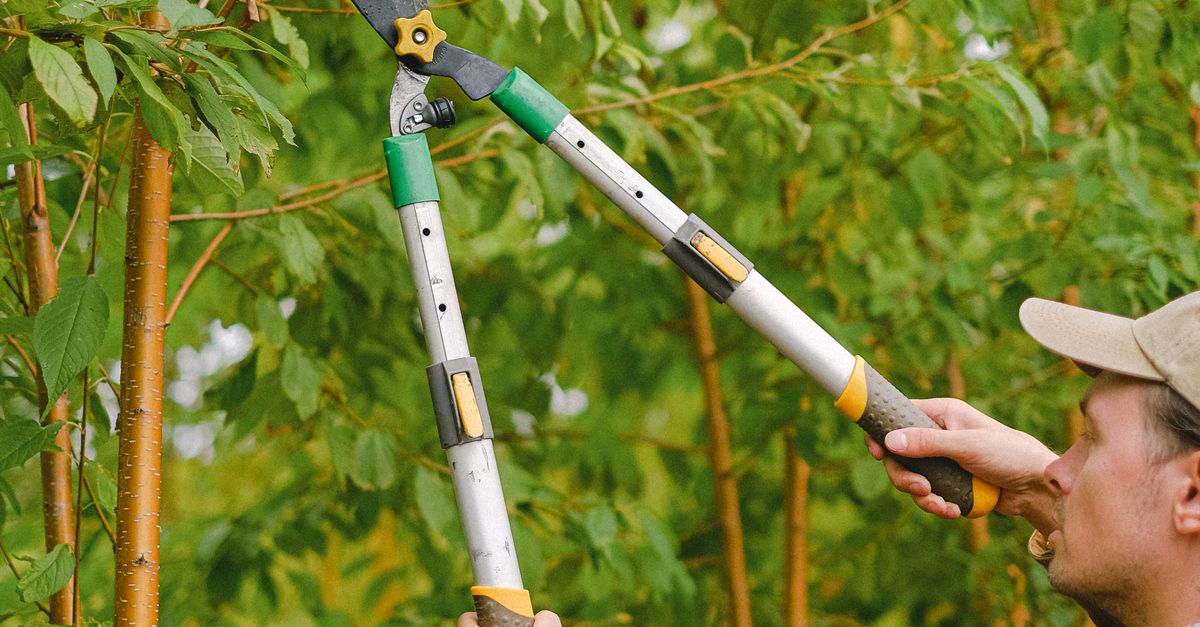
Topping Trees: Seasonal Considerations for Melbourne's Climate
Table Of Contents
Safety Precautions During Topping
Prioritising safety is essential when undertaking the topping of trees. Before starting any work, ensure all equipment is inspected for functionality and safety features. Personal protective gear, such as helmets, goggles, and gloves, is crucial to guard against falling debris and other potential hazards. Setting up a secure work zone is also important. Use barriers to restrict access around the area where the topping will occur to protect both the workers and the public.
Training and experience matter significantly in minimising risks during tree topping. Workers should be familiar with the equipment and techniques being used, including proper climbing practices and the safe handling of chainsaws. Communication among team members is vital throughout the process. Establish clear signals and protocols to handle any unforeseen issues that may arise. A cautious approach combined with adequate preparation contributes significantly to a safer working environment.
Ensuring a Safe Work Environment
Creating a safe work environment when topping trees is crucial for ensuring the wellbeing of both workers and bystanders. Before starting any work, the area should be inspected for potential hazards such as power lines, unstable ground, or nearby structures. Proper signage and barriers should be set up to keep the public at a safe distance. Workers must also wear appropriate personal protective equipment, including helmets, gloves, and eye protection, to mitigate risks associated with falling branches and equipment use.
Communication among team members plays a vital role in maintaining safety during tree topping. Prior to beginning the task, a thorough briefing should be conducted, clearly outlining each person’s responsibilities and the sequence of work. This helps to establish a collective understanding of the risks involved and the safety measures in place. Regular check-ins during the process can help identify any emerging hazards or adjustments needed. Training and experience must be prioritised to ensure that all involved understand the techniques required to safely carry out tree topping while adhering to local regulations.
The Role of Topping in Tree Maintenance
Topping is often utilised as a method to maintain the aesthetic and functional aspects of trees in both residential and urban settings. It allows for the reduction of height, making trees more manageable and less likely to interfere with power lines or structures. Additionally, topping may encourage bushier growth, which can enhance the visual appeal of landscapes. This technique can be particularly beneficial in situations where space is limited and trees must be kept within certain boundaries.
Regular topping procedures can help mitigate the risks associated with overgrowth, which can lead to potential hazards during storms or high winds. While it plays a role in maintaining tree safety and health, it is essential that this practice is performed correctly to avoid causing damage to the tree's structure. Proper timing and technique are critical to ensure the long-term vitality of the tree while meeting the trimming goals. When done with consideration to the tree's needs, topping can contribute positively to urban forestry initiatives in Melbourne.
Regular Care for Urban Trees
Urban trees require consistent attention to thrive in their settings. Regular watering is essential, especially during dry spells typical to Melbourne's climate. Mulching around the base helps retain moisture and provides nutrients, reducing competition from weeds. Pruning should be practiced annually to remove dead or diseased branches, allowing for healthier growth and improved aesthetics.
Monitoring for pests and diseases is vital in maintaining tree health. Early intervention can often prevent significant damage. Soil quality must also be assessed frequently, as urban environments may deplete natural nutrients. Engaging with local arborists for guidance on appropriate treatment and care can enhance the longevity and vibrancy of trees in urban landscapes.
Potential Risks of Topping Trees
Topping trees can severely compromise their structural integrity, leading to increased susceptibility to disease and pests. When the canopy is drastically reduced, it creates an imbalance that may result in weak regrowth. This regrowth often emerges from the trimmed branches, which may not have the necessary strength and support to endure environmental pressures such as wind or heavy rain. Weak new growth can contribute to a higher risk of branches breaking, posing hazards to nearby structures or individuals.
In addition to structural concerns, topping can negatively impact the overall health of the tree. The removal of a significant portion of the foliage restricts photosynthesis, which is vital for a tree’s energy production. This stress can lead to long-term decline, making the tree more vulnerable to further environmental stressors and reducing its lifespan. Careful consideration is needed when deciding whether topping is the appropriate method of tree maintenance in urban landscapes, as the potential risks may outweigh any short-term benefits.
Common Issues to Watch For
Tree topping can lead to a variety of issues that may compromise the health and stability of the tree. One significant risk involves the potential for decay to set in. When large branches are removed, it exposes the inner wood to environmental conditions, which can result in wood rot. Additionally, trees often respond to topping with excessive growth of weak, vertical shoots. This new growth, known as "water sprouts," may lack structural integrity, resulting in a higher likelihood of branch failure in future storms.
Another concern is related to the overall aesthetics and ecological balance of the area. Topped trees can become visually unappealing, leading to reduced property values. These trees may also struggle to maintain their natural form, which can disrupt local wildlife that relies on them for habitat and food. Furthermore, weakened trees may become more susceptible to pests and diseases, further diminishing their viability and increasing the need for potential removal in future seasons.
FAQS
What is topping in relation to trees?
Topping refers to the practice of cutting back the main branches of a tree, usually in an effort to reduce its height or shape its growth. However, this technique is often discouraged due to its adverse effects on tree health.
When is the best time to top trees in Melbourne?
The best time to top trees is during their dormant season, typically in late winter to early spring. This timing helps minimise stress on the tree and allows for better recovery as new growth begins.
What safety precautions should be taken when topping trees?
It is essential to ensure a safe work environment by using appropriate personal protective equipment, such as helmets and gloves, and by assessing the surrounding area for hazards like power lines and unstable branches before starting the work.
What are the potential risks of topping trees?
Topping can lead to various issues, such as increased vulnerability to pests and diseases, weakened structure, and an overall decline in tree health. It can also result in unsightly growth patterns and increased maintenance needs.
How can I maintain my urban trees without topping?
Regular care for urban trees can include proper pruning techniques that promote healthy growth, such as crown thinning and selective branch removal, as well as ensuring adequate water and nutrient supply. Consulting with an arborist can provide tailored maintenance advice.
Related Links
The Environmental Impact of Topping Trees in Urban AreasThe Role of Topping in Creating Aesthetic Tree Shapes
Topping vs Other Pruning Methods: What You Need to Know
Regulations and Guidelines for Topping Trees in Victoria
How Topping Affects Tree Health and Longevity
Common Mistakes to Avoid When Topping Trees in Melbourne
Best Practices for Topping Trees to Minimise Damage
When to Consider Topping Your Trees for Optimal Growth
The Importance of Understanding Topping Techniques in Tree Care